

Smart Steps to Secure Top Grades
🕒 Read time: 6 mins
The journey to academic success, is not a straight one, there will be lots of hurdles to overcome. In this article, I will be sharing a step by step guide.
Step 1: Growth mindset
Mindset sets the foundations to apply the advice I provide in this article.
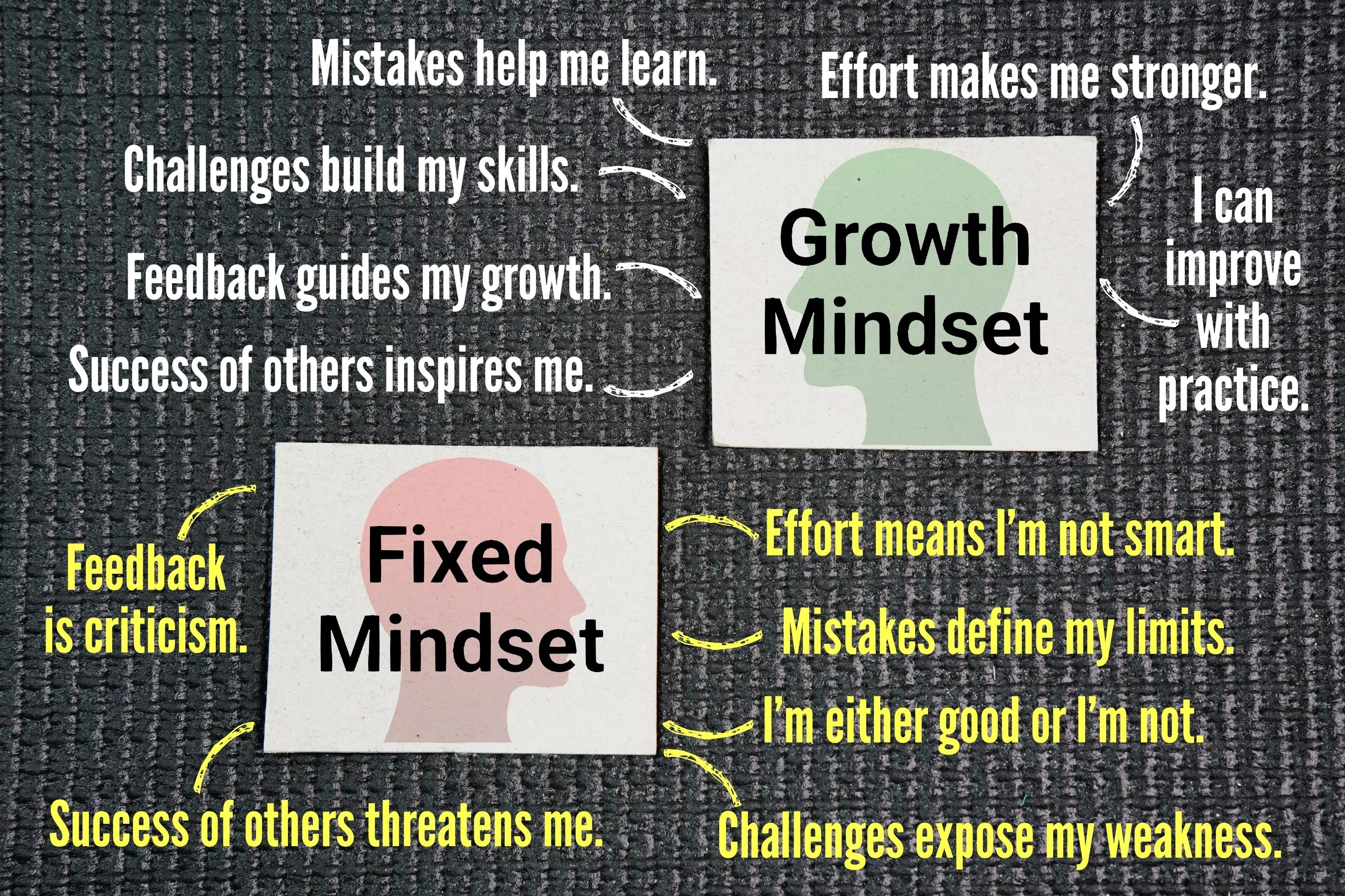
A component to success is having a growth mindset: believing your skills can improve with effort (Understood, 2024). It does not mean you start thinking you cannot do it or you will never be able to understand a complex concept. Instead, see it as a challenge and embrace these struggles as learning experiences. It is easier said than done, especially with the vast volume of content and the many other tasks you need to do juggle as well. But, staying calm and positive helps to have a growth mindset.
Step 2: Effort
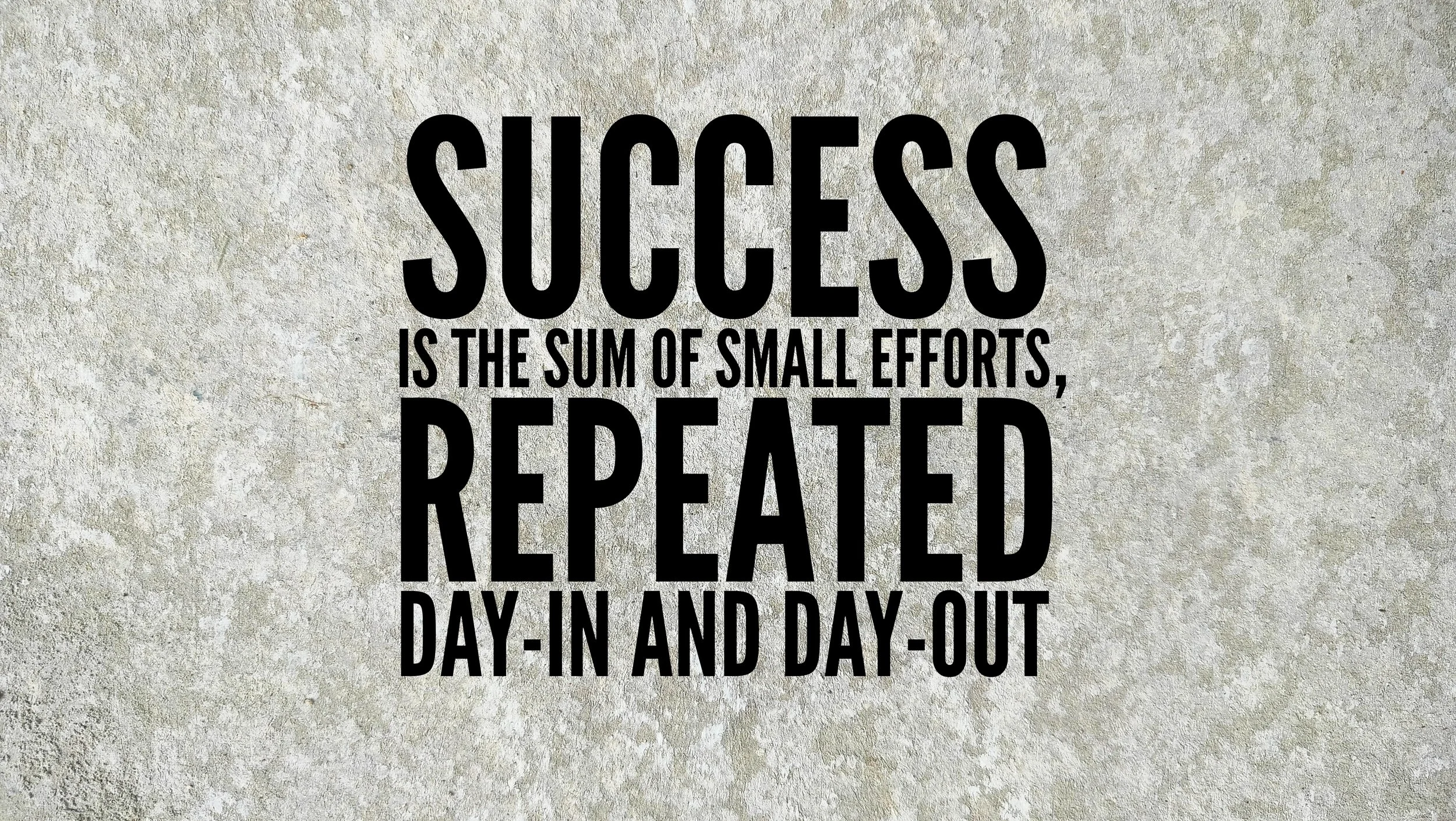
There is no way to achieve high grades without putting in the effort. I will admit, achieving As and A*s at A-level required more work than GCSE but that comes with the intense workload in A-levels. This does not mean to overwork yourself, since that is not helpful in the long run. Instead, it involves staying on top of your work, meeting deadlines, and completing all your work to the best of your ability (homework is set for a reason). After all, this is the most beneficial to only one person: you. Doing homework and completing end of topic tests will allow you to identify your weaknesses so that you know what to work on. All these small steps will help to achieve your goals!
Another thing, be open and flexible with trying new revision techniques: due to the complexity that comes with A-levels, your revision techniques previously used for GCSEs may not be effective. Finding the technique that is most impactful to you is crucial in ensuring academic success.
Step 3: Consistency
Now, onto consistency. It should be one of your main goals as consistently going over the content is more effective. I, myself, believe it was a game changer for my studies. For me, it gave me a sense of security as I developed a thorough understanding of the content.

To be consistent, it is crucial to start early. It has benefits: you are preparing revision resources earlier so when it comes to exam season, you do not have to stress about it. Also, starting early will build your self-confidence. Especially in class, where you will not be clueless, and can use the time to improve your knowledge and understanding. Since you already have a basic idea of what is going on, you can utilise your class time more efficiently to suit your needs.
Being consistent means doing revision in small chunks over the school year and it contributes to building your long-term memory. Currently, I am in university and we had a lecture the other day about revision; one thing the lecturer mentioned is that every time you revise, new synapses are created or the existing pathways created (like when you first hear about it in class) will be strengthened when you learn so you remember the content over a longer period of time. This is a part of neuroplasticity: the brain’s ability to recognise, change and adapt in response to learning and experience (verywellmind,2025). Hence, continuously reviewing content will strengthen your existing synaptic pathways and improve your retention of content.
Step 4: Balance
Having balance with your studies and everything else is important. It benefits both physical and mental health to take rest days. To have balance, give at least 1-2 days a week where you relax and completely detach yourself from work. It will give you a breather and make you more motivated when you get back to studying again. This is hard, I understand, when you have so much work to do. If you have things left on your to do list, do not sacrifice your rest days for it; just pick up on it when you are back to studying, which I know is easier said than done.

What made it easier for me to take rest days was to plan things to do on those days. For example: picking up new hobbies and meeting up with friends and family. I loved to plan days out with family and friends, which forced me to take that day off since you cannot back out.
To be able to establish a balance, you need to set priorities. Studying is definitely a priority, but there are other important things. For example, as a student doing your GCSEs, exams are important but do not demote your extracurricular activities like sports. Doing these activities will give you time to rewind and rejuvenate you when you get back to studying. In sixth form, doing extracurriculars will boost your university applications and doing other non-academic interests will give your brain a well-deserved break from the challenging content.
Setting your priorities links heavily with being organised. As long as you are consistent with your studies, you can plan for more fun things you enjoy. I would say planning is crucial for ensuring success as it allows you to think ahead and schedule when you need to do work, meet deadlines set by your teachers and prepare for tests. It is an effective way to set a balance between academics and life outside of it. There are several ways of planning: using a calendar (could be a physical one or online like google calendar), having a planner or websites like Notion.
Step 5: Revise effectively
Active recall is phenomenal for retaining information as it requires your brain to actively retrieve information (University of Bristol, 2022). A way to do active recall is blurting: when you write down what you know and then go back with a different colour to fill in gaps.
Another (I think) underrated technique is the Feynman technique. This when you explain a concept simply in your terms either verbally or by writing it down (University of York, 2024). If there are areas you have missed or cannot explain, you go back to your revision resources. It is what I did to learn my content for A level Biology and Chemistry after I began to use it at GCSE. Using this technique enabled me to make links between different topics as well.


Kalchuma is a Content Writer and Tutor for Learn Science Together, combining strong academic achievement with a passion for supporting learners. She achieved A*–A grades in A-Level Biology, Chemistry and Mathematics and is currently studying Medicine at University.
Her articles focus on step-by-step guidance, drawing on her own learning experiences to help students build confidence and improve their study skills. Through both her writing and tutoring, she aims to inspire learners to achieve their best.
Image shown is a representative photo for privacy.
